

 Submit RFI/RFP
 Request Consultation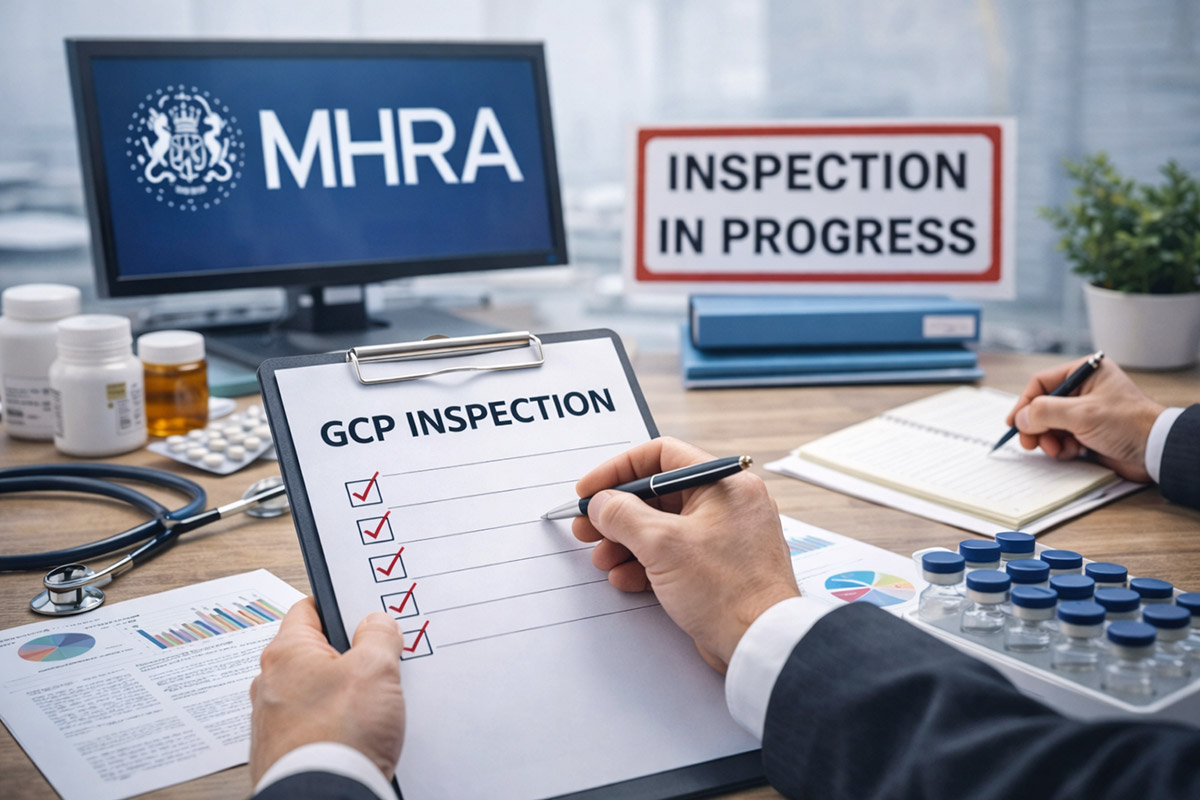
Good Clinical Practice (GCP) is a globally recognized set of ethical and scientific standards that govern how clinical trials involving human participants are designed, conducted, recorded, and reported. Its purpose is to protect the rights, safety, and wellbeing of trial subjects while ensuring the credibility and integrity of clinical trial data. In the UK, GCP compliance is overseen by the Medicines and Healthcare products Regulatory Agency (MHRA), in line with ICH guidance.
GCP applies to all organizations involved in clinical research, including pharmaceutical companies, contract research organizations (CROs), universities, NHS hospitals, GP practices, charities, and laboratories handling trial samples. Any organization contributing to clinical trial activities is expected to operate in full compliance with GCP requirements.
The MHRA ensures compliance through a combination of risk-based inspections and triggered inspections. Organizations must report serious breaches of GCP or trial protocols, which may lead to targeted inspections. Inspections may also be initiated based on whistleblowing, intelligence from other regulators, or internal MHRA findings. Most inspections are conducted under a risk-based programmed that prioritizes organizations according to inspection history, organizational changes, and external intelligence, with some routine inspections selected at random.
Ahead of an inspection, organizations are required to submit a GCP inspection dossier outlining their clinical trial activities, systems, and procedures. During inspections, MHRA inspectors review documentation—particularly the Trial Master File (TMF) and conduct interviews with relevant personnel. The TMF must be complete, accessible, and inspection-ready, as it forms the core evidence of GCP compliance.
Inspection findings are graded as critical, major, or other, depending on their impact on participant safety, data reliability, and regulatory compliance. Following the inspection, organizations must submit a Corrective and Preventive Action (CAPA) plan addressing the findings. Critical issues are escalated to the GCP Inspection Action Group, which may impose additional measures, including enhanced oversight, re-inspection, or regulatory enforcement actions.
Overall, MHRA GCP inspections highlight that GCP compliance is a continuous process. Strong governance, robust documentation, and proactive quality systems are essential not only for inspection readiness but also for maintaining trust in clinical research and protecting patient safety.
Learn more: Good practice, inspections and enforcement






 Submit RFI/RFP