

 Submit RFI/RFP
 Request Consultation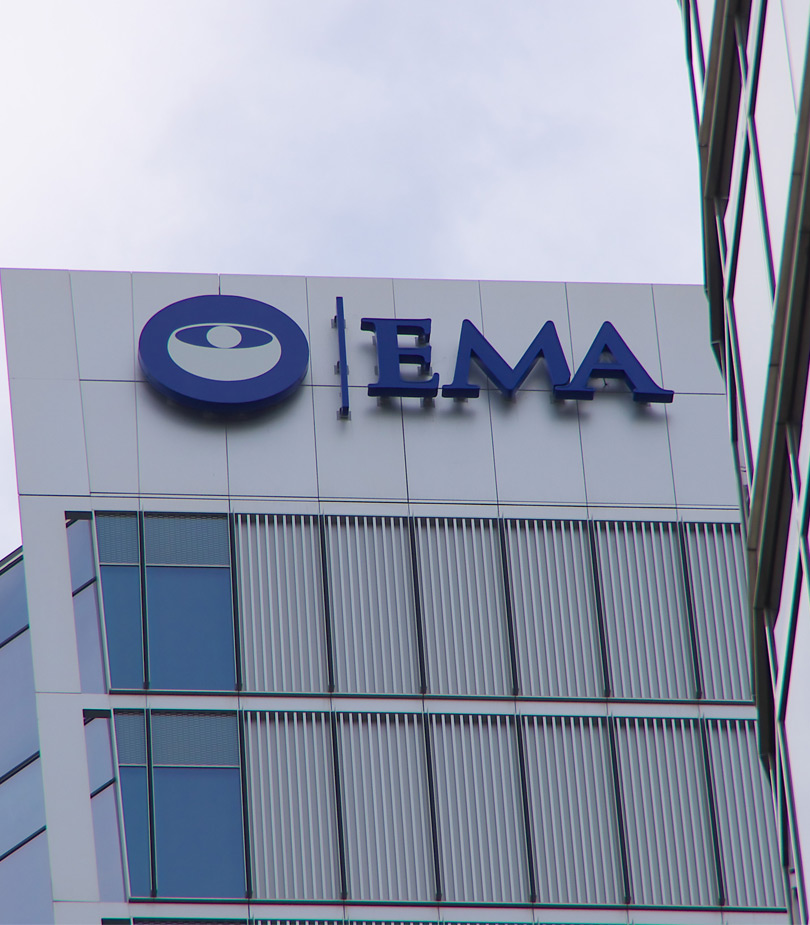
A new treatment path for patients with rare active immunoglobulin G4-related disease after the European Medicine’s Agency decided on extending the therapeutic indication of Uplizna (inebilizumab) to include patients with Ig4 related autoimmune disease.
IgG4-RD is a rare, chronic autoimmune disease in which the body’s immune system attacks healthy tissues, leading to inflammation and scarring in one or more organs. Symptoms may appear gradually or suddenly, often causing progressive organ damage and loss of function. The condition most commonly affects individuals between 40 and 60 years of age.
At the current moment there is no medication available in the EU that is authorized to treat adults with IgG4 related diseases, treatment usually consists of glucocorticoids & other immunomodulatory medications which is often not equally as effective with all patient cases. Moreover, in older patients, glucocorticoid use is more often linked to side effects such as high blood pressure, elevated blood sugar, osteoporosis, weakened immunity, and muscle weakness. This highlights the significant unmet need for effective steroid-sparing treatment options in IgG4-RD.
Uplizna (inebilizumab) is a monoclonal antibody that targets and eliminates B cells, a type of immune cell. It is already approved for the treatment of neuromyelitis optica spectrum disorder (NMOSD).
The CHMP’s recommendation is supported by results from a phase 3, randomized, double-blind, 52-week trial involving 135 adults with active IgG4-RD. Participants received either intravenous Uplizna or placebo on day 1, day 15, and week 26. The study showed that patients on Uplizna had a significantly longer time to their first disease flare compared to placebo. Among those treated, only 7 out of 68 experienced flares, versus 40 out of 67 in the placebo group. Additionally, 58.8% of patients on Uplizna achieved corticosteroid-free, flare-free complete remission at week 52, compared to just 22.4% of those on placebo.
Side effects associated with Uplizna were mostly consistent in NMOSD patients which included UTI’s, respiratory infections, nasopharyngitis & joint pain, back pain and low levels of lymphocytes, a type of white blood cell. The CHMP opinion is a key step towards EU-wide approval, pending European Commission review. Pricing and reimbursement decisions will then be made by individual Member States within their national healthcare systems.






 Submit RFI/RFP